Theobroma bicolor Growing Guide: Care, Propagation & Fruiting
Introduction
Theobroma bicolor, commonly known as white cacao, jaguar cacao, macambo, mocambo, or pataxte, is an evergreen tropical tree in the family Malvaceae. Closely related to the cultivated cacao (Theobroma cacao), this species is valued for its large ornamental pods, edible seeds, and sweet, aromatic pulp. Although less widely cultivated than cacao, T. bicolor has gained increasing attention among collectors, agroforestry practitioners, and specialty fruit growers for its vigorous growth, attractive appearance, and unique culinary potential.
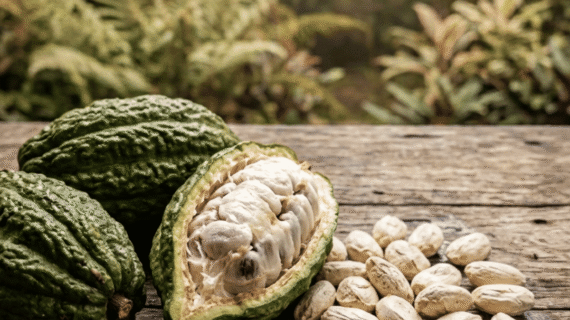
Native to the rainforests of Central and South America, Theobroma bicolor develops a broad, rounded canopy with large, glossy leaves and exhibits cauliflory, producing flowers and fruits directly from the trunk and major branches. The elongated pods contain large white seeds that can be eaten fresh, roasted like nuts, or processed into beverages and confectionery. Compared with cacao, the seeds contain less theobromine and have a milder, creamier flavor.
Native Habitat
Distribution
Theobroma bicolor is native to the humid tropical forests of Central America and the Amazon Basin. It occurs naturally from southern Mexico through Central America into northern South America.
Major cultivation regions include:
- Mexico
- Guatemala
- Belize
- Costa Rica
- Panama
- Colombia
- Ecuador
- Peru
- Brazil
- Bolivia
The species is also cultivated on a limited scale throughout Southeast Asia and other tropical regions by botanical gardens and fruit collectors.
Climate
White cacao thrives in warm, humid rainforest environments with abundant rainfall and minimal seasonal temperature variation.
| Environmental Factor | Preferred Condition |
|---|---|
| USDA Zones | 11–12 |
| Temperature | 22–32°C (72–90°F) |
| Annual Rainfall | 1,500–3,500 mm |
| Humidity | 70–100% |
| Shade | Partial shade when young |
Young trees naturally establish beneath the forest canopy and benefit from filtered light during their early years. Mature specimens tolerate greater sun exposure if soil moisture remains adequate.
Growth & Care
Proper Theobroma bicolor care focuses on maintaining warm temperatures, consistent moisture, and fertile soil while protecting young trees from excessive sunlight.
Light
Provide 30–50% filtered shade during establishment. Mature trees perform well in full sun or light shade where rainfall and humidity are consistently high.
Gradually increasing light exposure encourages stronger flowering and improved fruit production without causing leaf scorch.
Temperature
Maintain temperatures between 22–32°C (72–90°F).
Growth declines below 18°C (64°F), and frost is generally fatal. Consequently, outdoor cultivation is limited to frost-free tropical regions.
Soil
White cacao grows best in deep, fertile soils with excellent drainage.
Ideal conditions include:
- Loam or clay loam
- High organic matter
- Excellent drainage
- Slightly acidic pH (5.5–6.8)
Although the species enjoys consistently moist conditions, prolonged waterlogging should be avoided to protect the root system.
Watering
Maintain evenly moist soil throughout the year.
Young trees require regular irrigation until well established. Mature trees tolerate short dry periods but produce higher-quality fruit when moisture remains consistent, particularly during flowering and pod development.
Fertilization
Apply balanced fertilizer several times during the growing season.
Recommended nutrients include:
- Nitrogen for canopy growth
- Phosphorus for healthy root development
- Potassium to support flowering and pod formation
- Calcium, magnesium, sulfur, zinc, boron, and iron when necessary
Regular applications of compost or well-rotted organic matter further improve long-term soil fertility.
Mulching
Apply a 5–10 cm layer of organic mulch beneath the canopy while keeping it away from the trunk.
Mulching:
- Conserves soil moisture
- Reduces weed competition
- Moderates soil temperature
- Improves soil structure
- Encourages beneficial microbial activity
Pruning
Prune annually after harvest or during active growth.
Remove:
- Dead or diseased branches
- Crossing limbs
- Dense interior growth
- Excessive vertical shoots
A well-managed canopy improves airflow, light penetration, and harvesting efficiency while promoting continued flowering.
Propagation
Understanding Theobroma bicolor propagation helps growers establish productive trees while preserving superior genetic selections.
Seed Propagation
Fresh seeds germinate rapidly but lose viability soon after drying.
For successful germination:
- Remove seeds from freshly harvested pods.
- Clean away excess pulp.
- Sow immediately in a well-drained growing medium.
- Plant approximately 2–3 cm deep.
- Maintain temperatures between 25–30°C.
- Keep the medium consistently moist.
Fresh seeds generally germinate within 1–3 weeks.
Seedlings are vigorous but exhibit genetic variation in growth habit, pod characteristics, and seed quality.
Grafting
Although seed propagation remains common, grafting is increasingly used to preserve superior selections with desirable pod size, flavor, and productivity.
Common grafting methods include:
- Veneer grafting
- Side veneer grafting
- Cleft grafting
Step-by-Step Grafting Process
- Select a healthy seedling rootstock.
- Collect mature scion wood from a productive tree.
- Make matching cuts on both stock and scion.
- Align the cambium layers carefully.
- Secure the union with grafting tape.
- Protect the graft from dehydration and direct sunlight.
- Maintain high humidity until new growth appears.
- Remove wrapping after the graft has healed and eliminate shoots below the graft union.
Warm temperatures and active growth provide the highest success rates.
Grafted vs. Seed-Grown Plants
| Characteristic | Grafted Plants | Seed-Grown Plants |
|---|---|---|
| Fruiting Age | 2–4 years | 4–6 years |
| Growth Rate | Moderate | Vigorous |
| Fruit Quality | Consistent | Variable |
| Genetic Uniformity | Excellent | Low |
| Commercial Value | High | Moderate |
| Best Use | Collectors, specialty orchards | Breeding, rootstocks |
Grafted trees are preferred when maintaining elite cultivars or superior selections, while seed-grown plants remain valuable for breeding, conservation, and agroforestry projects.
Fruiting
Like its close relative Theobroma cacao, white cacao bears flowers and fruits directly on the trunk and mature branches.
Flowering
Small cream-colored to pale pink flowers emerge in clusters from persistent flower cushions on older wood throughout much of the year under favorable conditions.
Pollination
Tiny midges (Forcipomyia spp.) are considered the principal pollinators. Maintaining a humid environment with abundant organic matter supports healthy midge populations and improves fruit set.
Fruit Development
Following successful pollination, pods generally require 5–7 months to mature.
Balanced irrigation and adequate potassium nutrition improve:
- Pod size
- Seed development
- Sweetness of the pulp
- Overall productivity
Harvest Maturity
Harvest pods when:
- The pod changes from green to yellowish-green or pale brown, depending on the selection.
- The rind loses its glossy appearance.
- The seeds are fully developed.
- The pod emits a hollow sound when tapped gently.
Fresh seeds should be planted promptly if intended for propagation because viability declines rapidly after drying.
Factors Affecting Fruit Quality
Premium white cacao production depends on:
- Warm, frost-free conditions
- Partial shade during establishment
- Fertile, well-drained soil
- Consistent irrigation
- Balanced fertilization
- Healthy pollinator populations
- Proper pruning
- Timely harvesting
When cultivated under optimal conditions, Theobroma bicolor produces abundant crops of striking pods filled with nutritious seeds and sweet pulp, making it an exceptional addition to tropical fruit collections, agroforestry systems, and specialty orchards.
Need Further Cultivation Guidance?
Whether you need assistance with rare tropical plant care, future species reservations, grafted plant availability, or cultivation guidance for rare seeds and rare fruit plants, our team is always happy to assist fellow collectors.