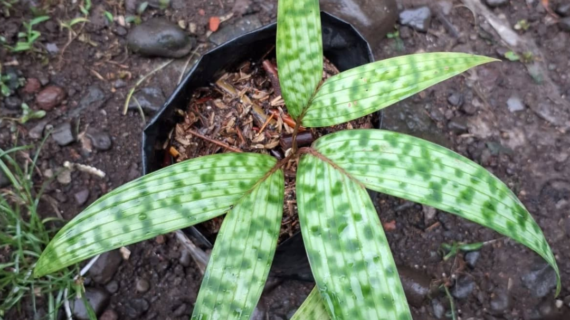
Pinanga crassipes Growing Guide: Care & Propagation
Introduction
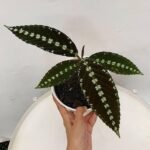
Pinanga crassipes, commonly called the mottled dwarf palm, is a compact understory palm in the family Arecaceae. Its mottled, patterned foliage and naturally small stature make it a favorite among collectors building shaded palm gardens or shelf displays. Because true Pinanga species can be difficult to source, buyers frequently turn to specialty suppliers of Rare Tropical Plant Seeds and Grafted Plant material to find authentic, correctly identified seed.
Native Habitat
This palm grows naturally in the humid rainforest understory of Borneo, where dense canopy cover filters sunlight and rainfall remains consistent throughout the year.
| Factor | Preferred Range |
|---|---|
| USDA Zones | 10b–12 |
| Temperature | 21–30°C (70–86°F) |
| Rainfall | 2,500 mm+ annually |
| Humidity | 75–95% |
Growth & Care
Light: Provide deep to moderate shade, since direct sun quickly scorches the delicate, mottled leaves this palm is prized for.
Soil: Plant in a rich, well-draining mix amended with organic matter, mirroring the leaf-litter-covered forest floor where it grows naturally.
Watering: Keep soil consistently moist without letting it become waterlogged, and never allow the root zone to dry out completely.
Fertilization: Feed lightly with a diluted, balanced fertilizer during the growing season, since palms of this size respond poorly to heavy feeding.
Humidity: Maintain high ambient humidity, ideally above 70%, to keep foliage from browning at the tips.
Propagation
- Clean fresh seed thoroughly to remove any remaining fruit pulp.
- Sow immediately in a moist, well-draining germination mix.
- Cover seeds lightly, then keep the container warm and humid.
- Maintain temperatures around 27–30°C for best results.
- Germination can take anywhere from one to several months, so patience matters here.
Because Pinanga seed viability drops quickly after harvest, sourcing fresh stock directly from a reliable grower significantly improves germination odds.
Growth Habit & Maturity
Pinanga crassipes forms a clustering or solitary stem depending on growing conditions, with each new leaf displaying the characteristic mottled pattern that gives the species its common name. Mature plants eventually produce small inflorescences followed by colorful fruit, though most collectors grow this palm primarily for its ornamental foliage rather than fruiting.
Add This Mottled Dwarf Palm to Your Collection
Understory palms like this one bring texture and rarity to any shaded tropical garden or indoor collection.
Shop Rare Forestry Seeds → View Pinanga crassipes Seeds →
Questions about germination timing or humidity setup? Get in touch:
📧 contact@graftedplant.com 💬 WhatsApp us
Every Grafted Plant Indonesia order arrives with export documentation, so your palm seeds clear customs smoothly.
Need Further Cultivation Guidance?
Whether you need assistance with rare tropical plant care, future species reservations, grafted plant availability, or cultivation guidance for rare seeds and rare fruit plants, our team is always happy to assist fellow collectors.