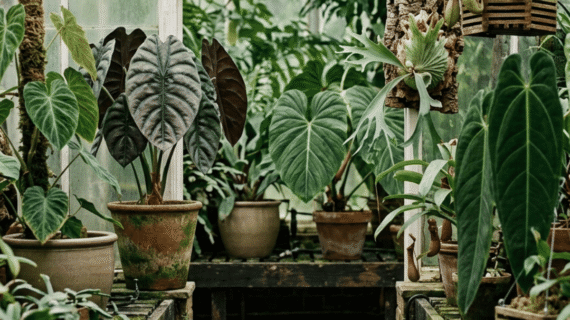
Collector-Level Rare Tropical Plants
Collector-level species represent some of the rarest, most distinctive, and most sought-after plants within tropical horticulture. These plants attract growers not only because of cultivation difficulty, but also because of their exceptional botanical significance, limited availability, unusual genetics, and extraordinary visual character.
Many collector-level species exist far beyond ordinary ornamental cultivation. Instead, they occupy a space where horticulture, conservation, rarity, and personal passion intersect. Consequently, collectors often pursue these plants for years before obtaining healthy specimens, viable rare seeds, grafted plant material, or rare tropical seeds.
At the same time, collector-level cultivation should never feel exclusive or unreachable. Every serious plant collection begins with curiosity, patience, and gradual learning. Therefore, collector species do not exist to intimidate growers. Instead, they invite collectors into a deeper relationship with tropical horticulture and botanical preservation.
What Defines a Collector-Level Species
Rarity Alone Does Not Create Collector Value
Some plants become valuable because they remain difficult to source. However, true collector-level species usually combine several exceptional qualities at once.
These species often feature:
- extremely limited availability
- uncommon genetics
- unusual morphology
- slow propagation
- habitat specificity
- historical botanical significance
- exceptional rarity in cultivation
- strong collector demand
As a result, many collector-level rare tropical plants and rare fruit plants become highly treasured within specialized collections around the world.
Why Collectors Pursue These Species
The Experience Extends Beyond Ownership
Collector plants offer something deeper than simple possession. Many growers pursue these species because they enjoy:
- long-term cultivation challenges
- botanical discovery
- conservation awareness
- environmental observation
- species preservation
- rare genetic diversity
- the excitement of successful establishment
Furthermore, collector cultivation often creates stronger emotional connection because progress develops slowly over time.
Each new leaf, root system, seasonal recovery, or successful acclimation becomes part of the horticultural journey itself.
Collector-Level Plants Often Require Greater Commitment
Patience Becomes Part of Cultivation
Many collector-level species respond sensitively to environmental instability. Therefore, growers often need:
- highly controlled humidity
- stable temperatures
- careful watering discipline
- advanced substrate management
- patient acclimation procedures
- long-term observation
Additionally, some rare tropical seeds and rare fruit seeds germinate slowly or unpredictably. Likewise, certain grafted plant specimens require extended establishment periods before showing vigorous growth.
However, these slower processes often increase the sense of reward once the plant successfully adapts.
Collector-Level Does Not Mean Impossible
Every Expert Collector Learned Gradually
Many beginners assume collector-level species belong only to highly experienced growers. In reality, every advanced collector once started with uncertainty, failed experiments, and environmental mistakes.
No collector develops expertise overnight.
Therefore, collector classification should never discourage curiosity or enthusiasm. Instead, it simply acknowledges that certain species require:
- more preparation
- greater consistency
- environmental awareness
- long-term patience
- attentive observation
Collectors grow through experience, not perfection.
A challenging species today may become manageable after several growing seasons and deeper cultivation understanding.
Rare Plants Always Return With New Opportunities
One Attempt Never Defines Your Journey
Some collector-level plants demand multiple attempts before growers fully understand their environmental needs. Nevertheless, temporary failure remains a natural part of rare plant cultivation.
Even advanced collectors occasionally lose valuable specimens.
Most importantly, rare tropical plants, rare seeds, grafted plant specimens, rare tropical seeds, and rare fruit seeds continue returning through future growing seasons, new propagations, and additional imports.
Therefore, collectors always have opportunities to:
- refine their growing environment
- improve cultivation methods
- stabilize humidity management
- gain deeper horticultural knowledge
- try again with greater preparation
The journey continues long after one unsuccessful attempt.
Collector Cultivation Encourages Botanical Appreciation
The Collection Becomes a Living Archive
Collector-level species often transform a plant collection into something far more meaningful than decoration alone.
Over time, these plants encourage:
- deeper respect for biodiversity
- stronger conservation awareness
- appreciation for habitat rarity
- long-term cultivation discipline
- botanical curiosity
- environmental understanding
Consequently, collector cultivation becomes both a horticultural pursuit and a personal archive of rare tropical biodiversity.
Whether growing rare fruit plants, germinating rare fruit seeds, cultivating uncommon grafted plant specimens, or maintaining highly specialized rare tropical plants, collector-level species continue inspiring growers through rarity, patience, and long-term botanical dedication.
Need Further Cultivation Guidance?
Whether you need assistance with rare tropical plant care, future species reservations, grafted plant availability, or cultivation guidance for rare seeds and rare fruit plants, our team is always happy to assist fellow collectors.