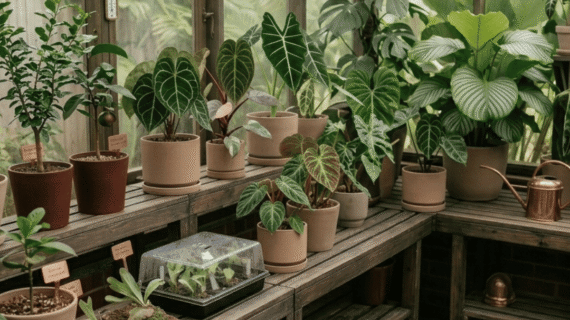
Intermediate Rare Tropical Plants
Intermediate species introduce collectors to a more refined level of tropical plant cultivation. These plants often require greater environmental stability, more attentive observation, and a deeper understanding of watering behavior, humidity management, airflow, and seasonal growth patterns.
Unlike beginner-friendly species, intermediate plants respond more noticeably to inconsistent care. Small mistakes in moisture levels, temperature fluctuations, substrate composition, or acclimation practices can slow growth, damage roots, or delay recovery. Therefore, these species reward growers who already understand the fundamentals of tropical cultivation.
At the same time, intermediate species offer a more immersive and rewarding collecting experience. Many collectors pursue these plants for their unusual foliage, architectural growth forms, superior fruit quality, uncommon genetics, or elevated rarity within the world of rare tropical plants.
Why Intermediate Species Matter
Develop Stronger Cultivation Skills
Intermediate plants encourage growers to move beyond basic care routines and develop a more refined understanding of tropical horticulture.
These species often require:
- more stable humidity
- balanced watering cycles
- improved airflow management
- attentive root monitoring
- better environmental consistency
As a result, growers begin learning how individual species respond to stress, dormancy, environmental transitions, and seasonal growth behavior.
This stage often transforms casual hobbyists into dedicated collectors.
Intermediate Species Offer Greater Botanical Diversity
Expand Beyond Foundational Collections
Many beginner-friendly plants prioritize adaptability and resilience. However, intermediate species often introduce:
- more unusual foliage structures
- distinctive tropical forms
- uncommon fruiting behavior
- specialized growth habits
- region-specific botanical characteristics
Consequently, collectors gain access to a far wider range of rare tropical plants, rare fruit plants, and rare tropical seeds that display stronger collector appeal and horticultural uniqueness.
Many species at this level remain highly sought-after while still remaining achievable for committed growers.
Why Even Advanced Collectors Continue Growing Intermediate Species
Balance Beauty and Manageability
Intermediate species occupy an ideal space between adaptability and specialization. Many experienced collectors intentionally maintain large intermediate collections because these plants provide exceptional visual impact without the constant instability associated with highly sensitive species.
Compared to ultra-demanding plants, intermediate species often offer:
- stronger long-term stability
- more reliable recovery
- manageable cultivation requirements
- rewarding growth progression
- lower catastrophic loss rates
Therefore, intermediate plants frequently become centerpiece specimens within serious collections.
Intermediate Does Not Mean Extremely Difficult
Skill Development Matters More Than Perfection
Many collectors assume intermediate species require perfect greenhouse conditions. In reality, most intermediate plants simply expect greater consistency and observation.
Growers who already understand:
- watering balance
- root health
- substrate drainage
- acclimation periods
- humidity behavior
often transition into intermediate cultivation successfully.
Furthermore, growing intermediate species helps collectors build confidence before pursuing highly specialized plants.
Why We Classify Certain Species as Intermediate
These Plants Require More Environmental Stability
We classify plants as intermediate when they consistently demonstrate:
- moderate sensitivity to watering inconsistency
- stronger dependence on stable humidity
- slower recovery from stress
- increased susceptibility to root disturbance
- more noticeable acclimation periods
Additionally, many intermediate species reward attentive growers with superior foliage, stronger structure, or exceptional fruit quality once properly established.
This classification helps collectors choose species appropriate for their experience level and cultivation environment.
Intermediate Species Reduce Random Trial and Error
Learn Through Observation Instead of Constant Failure
Collectors often lose sensitive plants because they attempt advanced species before fully understanding tropical cultivation behavior.
Intermediate plants create a more structured learning experience because they clearly respond to environmental conditions without becoming overwhelmingly unstable.
As a result, growers improve their ability to:
- recognize early stress symptoms
- refine watering techniques
- stabilize humidity management
- improve airflow balance
- understand species-specific behavior
This stage significantly strengthens long-term success with rare seeds, grafted plant specimens, rare tropical seeds, and rare fruit plants.
A Strong Collection Evolves Through Intermediate Cultivation
Intermediate species help collectors bridge the gap between foundational growing and advanced botanical specialization.
These plants introduce greater rarity, stronger collector appeal, and deeper horticultural engagement while still remaining achievable for dedicated growers willing to refine their cultivation skills.
Whether expanding a rare seeds, grafted plant specimens, rare tropical seeds, or rare fruit plants, intermediate species provide one of the most rewarding stages in tropical horticulture.
Need Further Cultivation Guidance?
Whether you need assistance with rare tropical plant care, future species reservations, grafted plant availability, or cultivation guidance for rare seeds and rare fruit plants, our team is always happy to assist fellow collectors.